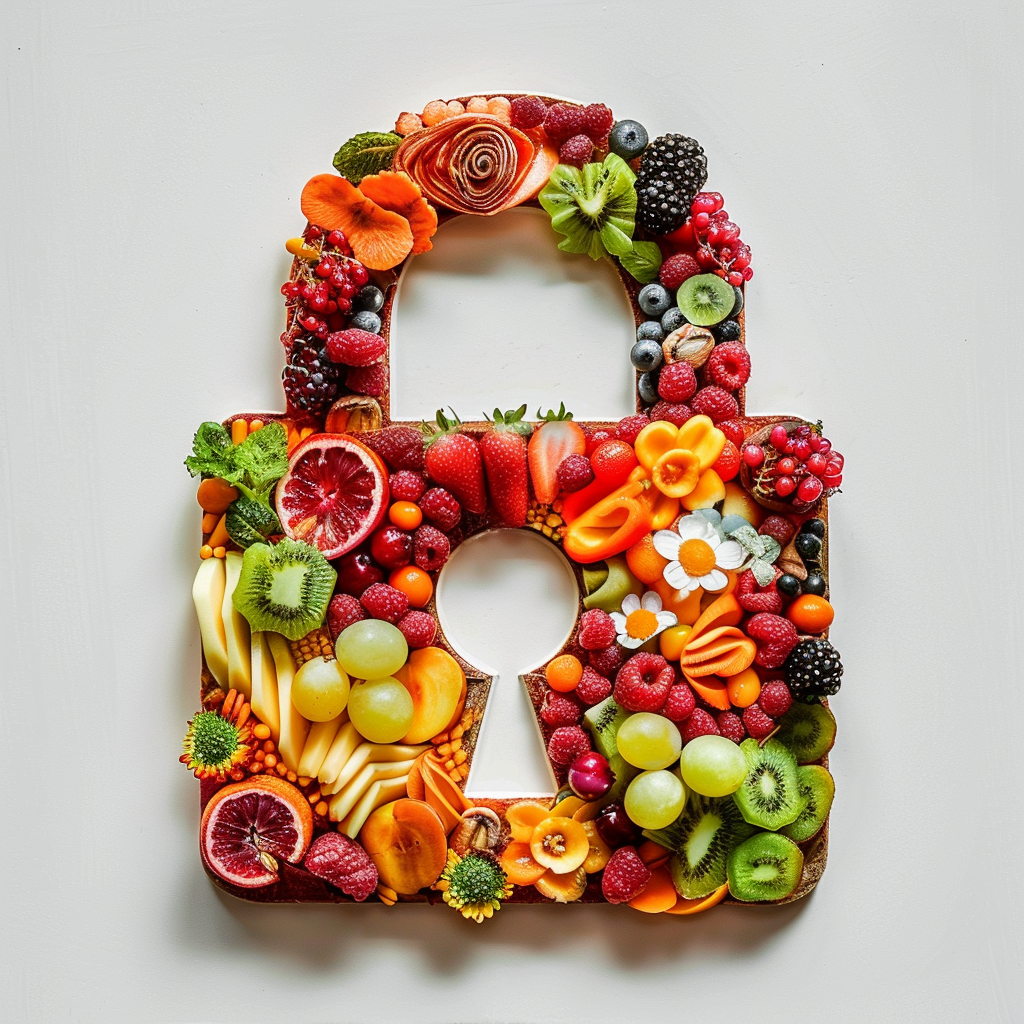
Corn-Free Walmart School Lunch Groceries: A Practical Cart for Parents
Build a corn-free Walmart school lunch grocery cart with simple lunch formulas, label checkpoints, pickup substitution rules, and kid-friendly ideas.
Corn-Free Walmart School Lunch Groceries: A Practical Cart for Parents
Corn-free Walmart school lunch groceries are easiest to buy when you shop from a short list of lunch building blocks instead of trying to solve every label in the store. The goal is a repeatable cart: a few mains, fruits, vegetables, crunchy sides, dips, and emergency backups that can become lunch without a long morning negotiation.
This guide is practical grocery and meal-planning help, not medical advice. If your child avoids corn because of an allergy, sensitivity, or another household rule, verify the exact package label, ingredient list, allergen statement, advisory language, and pickup substitution before buying or serving. Corn is not always called out as a major allergen on labels, and Walmart inventory can change by store and week.
The Quick Cart
Start with one or two options from each group:
- Mains: turkey roll-ups, chicken rice bowls, bean and rice thermos, tuna salad if safe, rice cracker snack plates, potato bowls, or leftovers from a checked dinner
- Fruits: apples, berries, grapes, oranges, pears, melon, bananas, applesauce, or fruit cups packed in juice
- Vegetables: cucumbers, carrots, snap peas, lettuce cups, grape tomatoes, peppers, celery, or plain frozen vegetables for thermos lunches
- Crunch: rice crackers, potato chips with verified oil and seasoning, seed crackers if safe, roasted chickpeas, plain rice cakes, or veggie sticks
- Dips and spreads: hummus if sesame is safe, guacamole, salsa, mashed avocado, yogurt dip if dairy is safe, or a homemade vinaigrette
- Backup foods: microwave rice cups, plain potatoes, canned beans, tuna packets if allowed, fruit cups, applesauce pouches, and safe bars with labels checked
Do not try to buy every category at once. A strong first cart is two mains, two fruits, two vegetables, one crunchy side, one dip, and one backup lunch.
Why Corn-Free Shopping Needs Extra Label Discipline
Corn-free lunch packing is different from many other school lunch plans because corn can show up in obvious foods and in less obvious processed ingredients. The obvious items include corn, popcorn, corn tortillas, tortilla chips, corn chips, cornmeal, cornbread, hominy, grits, and many cereals.
The harder part is the convenience aisle. Depending on your household's rules, you may need to look closely at ingredients such as cornstarch, corn syrup, dextrose, maltodextrin, modified food starch, baking powder, citric acid, natural flavors, xanthan gum, and some vitamin or seasoning blends. Not every family handles these the same way. The practical move is to keep your own "yes," "no," and "ask before using" list, then shop from that list.
For Walmart pickup or delivery, substitutions are the biggest risk. A shopper may replace one rice cracker, bread, sauce, snack bar, or deli item with a similar-looking product that uses different starches, sweeteners, or seasonings. If a food is safe only because one exact label works, turn substitutions off or add your own checked backup.
Build Lunches With Formulas
The best lunchbox system is boring in a useful way. Keep the structure the same, then rotate the foods.
Formula 1: Roll-Ups, Fruit, Vegetable, Crunch
Use verified deli turkey, chicken, roast beef, or another safe protein. Roll it with lettuce, cucumber strips, avocado, or cheese if dairy is safe. Add berries or apple slices, carrot sticks, and a checked crunchy side.
Label watch: deli meats can include starches, sweeteners, smoke flavor, broth, or seasoning blends. Pre-sliced and deli-counter products may have different ingredient visibility. Packaged products with clear labels are usually easier to evaluate.
Formula 2: Rice Bowl Thermos
Rice is a useful corn-free school lunch base when your household tolerates it. Pack warm rice with beans, chicken, ground turkey, salsa if safe, avocado, cucumbers, or roasted vegetables. A rice bowl also handles leftovers well, which makes lunch easier after a checked dinner.
Label watch: microwave rice cups, flavored rice pouches, broths, and seasoning packets can include ingredients that corn-free families may avoid. Plain rice gives you more control.
Formula 3: Snack Plate Lunch
A snack plate can be a real lunch if it has protein and enough staying power. Try rice crackers, turkey slices, roasted chickpeas, fruit, cucumbers, and guacamole. For a vegetarian version, use beans, hummus if safe, tofu if safe, or another protein your household already trusts.
Label watch: crackers and snack mixes vary a lot. A front label that says "rice" or "veggie" does not mean the product is corn-free. Read the full ingredient panel.
Formula 4: Potato Lunch
Potatoes can become a lunch base when bread, tortillas, and crackers are hard. Pack a baked potato in a thermos with chicken, beans, salsa, broccoli, cheese if safe, or olive oil and salt. Leftover roasted potatoes also work cold for some kids.
Label watch: seasoned frozen potatoes, tater tots, fries, and hash browns can include corn-based starches or coatings. Plain potatoes are simpler.
Aisle-by-Aisle Walmart Shopping Plan
Use this as a cart framework, then adjust for your child's other food rules.
Produce
Produce is usually the easiest part of the cart. Buy fruit and vegetables that can be packed fast: apples, berries, grapes, oranges, bananas, pears, cucumbers, baby carrots, snap peas, lettuce, peppers, and grape tomatoes. Pre-cut produce saves time, but check handling notes if cross-contact matters for your household.
Protein
Simple proteins are easier than heavily seasoned products. Look for plain chicken, turkey, roast beef, tuna packets if school allows them, canned beans, eggs if safe, yogurt or cheese if safe, tofu if safe, or leftovers from dinner.
Be careful with nuggets, meatballs, sausage, deli salads, breaded fish, marinated chicken, and rotisserie-style items. These can rely on starches, sweeteners, sauces, or coatings that need a closer read.
Pantry
The pantry section is where lunch can get easier or riskier. Useful staples can include plain rice, microwave rice cups with checked labels, canned beans, tuna packets, applesauce, fruit cups, potato chips with verified ingredients, rice cakes, rice crackers, salsa, olive oil, vinegar, and safe bars.
Be more cautious with granola bars, cereal bars, crackers, seasoning mixes, broth, baking mixes, and snack packs. If you find a product that works, take a photo of the label and package size so you can compare it next time.
Refrigerated and Frozen
Refrigerated dips, yogurt, cheese, deli products, tortillas, breads, and prepared foods can save time, but they also change by brand and flavor. Frozen vegetables, fruit, plain potatoes, and checked breads or pancakes may be useful backups.
For corn-free lunch planning, plain frozen vegetables are usually easier than sauced vegetables. Seasoned blends can add starches, sweeteners, or flavor systems you need to evaluate.
Five Lunchbox Combos
Try these combinations as starting points:
- Turkey lettuce roll-ups, berries, cucumbers, and rice crackers.
- Chicken rice thermos, apple slices, carrots, and guacamole.
- Roasted chickpeas, grapes, cucumbers, rice cakes, and yogurt dip if safe.
- Baked potato thermos with beans and salsa, plus orange slices.
- Tuna rice bowl if allowed, snap peas, applesauce, and a checked crunchy side.
These are templates, not guarantees. Corn-free does not automatically mean dairy-free, gluten-free, egg-free, soy-free, sesame-free, peanut-free, or tree-nut-free. Adjust each lunch for your full household profile.
Make Walmart Pickup Safer
Before checkout, scan the cart for items where a substitution could change the whole lunch: crackers, rice cakes, deli meat, dips, sauces, snack bars, frozen potatoes, breads, tortillas, and prepared foods.
Use three rules:
- Turn substitutions off for high-risk items.
- Add your own checked backup when you can.
- Re-read the package when the order arrives.
The app listing is useful for planning, but the package in your kitchen is the final label check.
How Safe Snacker Helps
Safe Snacker is built around the practical loop parents need: get a safe recipe, save it, add it to My Plan, generate a grocery list, and use that list for Walmart shopping.
You can import a lunch idea from a website at recipe import, save reliable meals in My Recipes, browse the recipe catalog at Recipes, and keep repeat lunches in My Plan. When the week is planned, create a grocery list and use it as your Walmart shopping checklist.
If you have Safe Snacker Pro, use quick one-off AI recipe generation for a specific lunch problem, like "corn-free rice bowl lunch with chicken and cucumbers" or "corn-free school lunch using potatoes and turkey." Review every ingredient, save what works, and keep the grocery list focused.
FAQ
What are the easiest corn-free Walmart lunch foods to start with?
Start with produce, plain rice, plain potatoes, checked deli meat or leftovers, canned beans, tuna if allowed, rice crackers with verified labels, applesauce, and simple dips such as guacamole or salsa if they fit your household.
Are rice cakes and rice crackers corn-free?
Some are, and some are not. Check the exact product. Seasoned versions may include corn-derived starches, sweeteners, or flavor ingredients, and formulas can change.
Is cornstarch always a problem for corn-free families?
That depends on your household's plan. Some families avoid all corn-derived ingredients, while others have a narrower avoid list. Follow your clinician's guidance if allergy care is involved, and use your own label rules consistently.
What should I do when Walmart substitutes an item?
Do not assume the replacement has the same ingredient profile. Read the new label before serving it. For foods that are hard to replace safely, turn substitutions off.
How do I pack corn-free lunches without bread?
Use rice bowls, potato thermos lunches, snack plates, lettuce roll-ups, leftovers, fruit, vegetables, beans, and checked crunchy sides. Bread is convenient, but it does not need to carry every lunch.
Bottom Line
A corn-free school lunch cart gets easier when you stop chasing perfect products and start building a repeatable system. Choose simple bases, plain proteins, produce, one safe crunch, one dip, and a backup lunch. Then use Safe Snacker to save the meals that worked, add them to My Plan, and turn them into a grocery list before your next Walmart order.