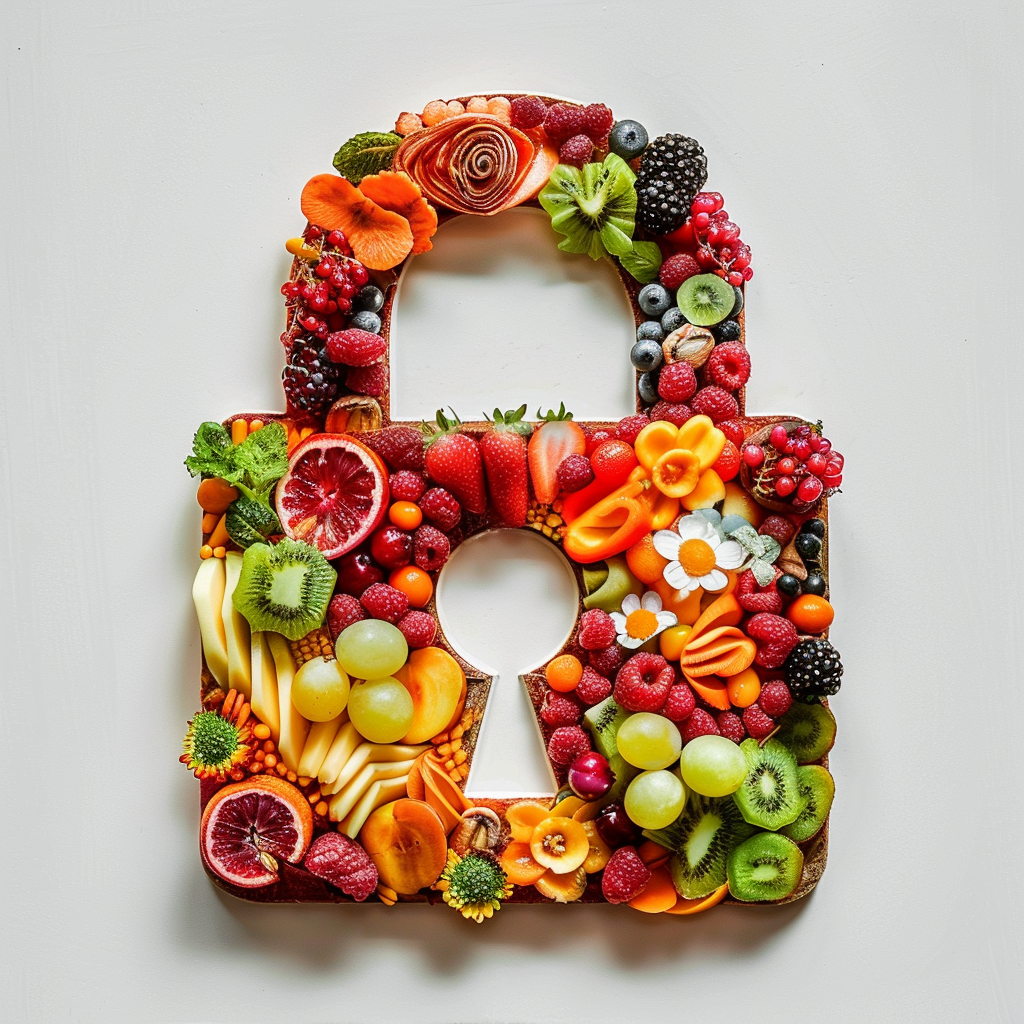
Dairy-Free Snack Box School Lunch for Busy Mornings
A practical dairy-free snack box school lunch plan with mix-and-match proteins, crunchy sides, dips, label checks, and grocery-list shortcuts.
Dairy-free snack box school lunch is the answer for mornings when a full sandwich feels like too much, the thermos is still in the dishwasher, and your child is tired of the same safe foods. A snack box can still be a real lunch: protein, crunch, produce, dip, and enough familiar pieces that it comes home eaten instead of picked apart.
The trick is to build the box from decisions, not from random leftovers. Choose one main protein, one crunchy carrier, one fruit, one vegetable, and one optional dip. Then check labels with the same seriousness you would use for a recipe. Safe Snacker can help by saving the combinations that work, adding them to My Plan, and turning repeat lunches into a grocery list you can use for a Walmart run.
Start With One Filling Protein
A snack box needs an anchor. Without one, it becomes a pile of sides that may not last through the school day. For dairy-free lunches, the protein slot often replaces the cheese stick, yogurt tube, or creamy dip that used to do the heavy lifting.
Good protein anchors include turkey roll-ups, chicken strips, tuna if fish is allowed at your school, roasted chickpeas, beans, seed-butter bites, hard-boiled egg if egg is safe, meatballs, leftover burger pieces, or a dairy-free yogurt alternative that passes your label check. If your child likes finger food, cut the protein into small pieces and pack toothpicks only if your school allows them.
Deli meat is convenient, but it is not automatically dairy-free. Read the exact package for milk, casein, whey, cheese flavor, butter flavor, soy, wheat, or other allergens that matter in your house. If you use grocery pickup, verify the delivered package before packing. Substitutions can turn a safe lunch into a maybe.
For a warm protein option, use leftovers from a saved Safe Snacker recipe. Chicken from dinner can become roll-ups, rice crackers plus chicken bites, or a mini dipping box the next day. If you do not have a recipe that fits, use /recipes/import to save a family chicken, bean, or turkey recipe once, then reuse it on the weeks when school lunch needs to be predictable.
Replace The Cheese Slot Without Making It Complicated
Many snack boxes are built around cheese cubes, string cheese, yogurt, or ranch. When dairy is off the table, the goal is not always to copy cheese. Sometimes the better move is to replace the job cheese was doing: salty, filling, familiar, easy to pick up.
For salty and filling, try turkey cubes, chicken sausage slices with a verified label, leftover meatballs, roasted chickpeas, edamame if soy is safe, or beans tossed with a little olive oil and seasoning. For creamy, try guacamole, white bean dip, hummus-style dip if sesame is safe or made without tahini, dairy-free ranch, or mashed avocado with lemon. For familiar, use a verified dairy-free cheese only if your child actually likes it at room temperature.
Do a home test before packing a new dairy-free cheese. Some products melt well but taste odd cold. Others are fine in a quesadilla but rubbery in cubes. The sibling guide on dairy-free cheese stick substitutes for school lunch is useful when your child specifically misses string cheese, but a snack box does not have to depend on that swap.
If your child wants a lunch that feels more like a build-your-own kit, the dairy-free Lunchable substitute for school lunch post has a cracker-and-protein structure you can borrow. Keep this snack-box version looser and faster: fewer compartments, fewer tiny pieces, less morning assembly.
Choose Crunch That Fits Your Label Rules
Crunch is where snack boxes get fun and where labels get tricky. Crackers, pretzels, pita chips, veggie straws, rice cakes, tortilla chips, and granola-style snacks can contain milk powder, butter, cheese seasoning, whey, soy, wheat, sesame, or shared-line warnings. Even plain-looking crackers deserve a close read.
For dairy-free only, start with crackers or pretzels that have a short ingredient list and no cheese or butter flavoring. For dairy-free plus gluten-free, rice crackers, certified gluten-free pretzels, corn chips if corn is safe, or seed-based crackers may work. For dairy-free plus sesame-free, avoid tahini crackers and check everything bagel seasoning. For dairy-free plus nut-free, watch almond flour crackers and cashew-based snack products.
Pack crunch in a dry compartment or small bag so it stays crisp. If you add cucumber, grapes, or apple slices next to crackers, use a divider or cup. A snack box that looks tidy in the morning can become damp by lunch if wet produce touches crackers for four hours.
For gluten-free families, the post on gluten-free cracker substitutes for school lunch has more detail on crunch that does not collapse. For peanut-free households, peanut-free granola bar alternatives for school lunch can help fill the backup-snack slot.
Add Produce That Will Actually Get Eaten
The best produce for a snack box is sturdy, familiar, and easy to finish quickly. Grapes, strawberries, blueberries, apple slices, orange wedges, cucumber sticks, carrot coins, snap peas, cherry tomatoes if safe, and bell pepper strips if nightshades are safe all work. Keep the choices boring if boring is what gets eaten.
Cut fruit in a way your child can manage during a short lunch. If apple slices brown and come home untouched, use grapes or orange wedges instead. If carrot sticks feel too hard, try cucumber half-moons. If berries stain the rest of the box, use a small cup.
Pair produce with a dip only when the dip earns its place. Guacamole, bean dip, salsa, dairy-free ranch, seed butter, or applesauce can help. But dips also add lids, spills, and label checks. A dip is useful if it increases eating; it is clutter if it becomes another item to manage.
The broad allergy-friendly school lunches pillar is a good place to keep your default produce list. Once a fruit or vegetable works, repeat it shamelessly. Variety matters less than a lunch your child can eat safely and independently.
Build Three Reliable Box Formulas
Parents do not need thirty snack-box ideas. Three reliable formulas are enough to rotate.
The roll-up box: turkey or chicken roll-ups, safe crackers, cucumber sticks, grapes, and a small cup of bean dip. This is the closest replacement for the classic meat-cheese-cracker box.
The dipper box: roasted chickpeas or chicken bites, rice crackers or tortilla chips if safe, apple slices, carrot coins, and guacamole or dairy-free ranch. This works well for kids who like interactive lunches.
The breakfast-style box: dairy-free muffin or pancake bites, sausage pieces with a checked label, berries, applesauce, and a crunchy side. If egg is also avoided, use the binder tips in egg-free muffins for school lunch.
Save each formula as a recipe or quick note in Safe Snacker. Add the one you want to My Plan, then use the grocery list as your packing checklist. If a box needs a product substitution, update the saved version so the next grocery run reflects what actually works.
Use Walmart Pickup Without Losing The Safety Check
Walmart pickup can make repeat lunches easier, but it does not remove the need to inspect labels. Product photos may lag behind packaging changes. Pickup substitutions may swap size, flavor, brand, or ingredient profile. A dairy-free cracker in one flavor may not match the cheese, ranch, honey butter, or variety-pack version.
Build your Walmart cart from stable categories: one protein, one crunch, two produce items, one dip, and one backup snack. When the order arrives, check every packaged item before it goes into the lunch system. If the substituted item is not clearly safe for your household, set it aside and use a backup.
This is where Safe Snacker's launch loop is useful. Import or save the safe recipe or lunch formula, browse and save options that fit, add the snack box to My Plan, generate the grocery list, and take that list into your Walmart shop. For a smoother repeat week, download the app at /download and keep the lunch plan where morning packing actually happens.
A Simple Packing Routine
Pack wet foods first: dip cups, fruit cups, or anything juicy. Add produce. Add protein. Add crunchy items last or keep them in a separate bag. Put napkins and utensils in the lunchbox before closing it.
If you prep the night before, leave crackers, pretzels, chips, and crisp snacks out until morning. Most proteins and produce can be portioned ahead, but sliced apples, cucumbers, and berries vary by child and container. Test your own setup on a weekend if texture complaints are common.
Keep a short backup list taped inside a cabinet or saved in Safe Snacker: safe protein, safe crunch, safe fruit, safe vegetable, safe dip. On hard mornings, use the backup formula instead of inventing lunch from scratch.
Always verify ingredient labels for your own household, especially for milk allergy or multiple allergies; this guide is practical planning support, not a guarantee that a packaged food is safe.
This article is for general food planning and is not medical advice.
Frequently asked questions
What goes in a dairy-free snack box school lunch?
Start with a protein, a safe crunchy item, fruit, vegetables, and one dip or spread your child already eats.
How do I replace cheese in a snack box?
Use turkey roll-ups, chicken, beans, hummus-style bean dip, seed butter if allowed, hard-boiled egg if safe, or a verified dairy-free cheese your child likes.
Are crackers and deli meat usually dairy-free?
Some are, but labels vary. Check for milk, whey, casein, butter, cheese powder, natural flavors, and advisory statements every time you buy.
Can I prep dairy-free snack boxes ahead?
Yes, but keep wet foods separate, slice fruit the night before only when it holds well, and add crunchy items in the morning.